Penguins, leopard seals, humpback whales, and blue whales - Antarctica's wildlife is unmatched. Find out what to expect and the best time to go.
Antarctica is the least-visited continent on earth and one of the most wildlife-rich. The reason for both facts is the same: extreme conditions produce extreme abundance. The Southern Ocean is the most productive marine ecosystem on the planet, and the animals that have evolved to thrive there exist in numbers and with a fearlessness toward humans that is found nowhere else. Here is what you can expect to see and when.
Penguins: The Defining Antarctic Experience
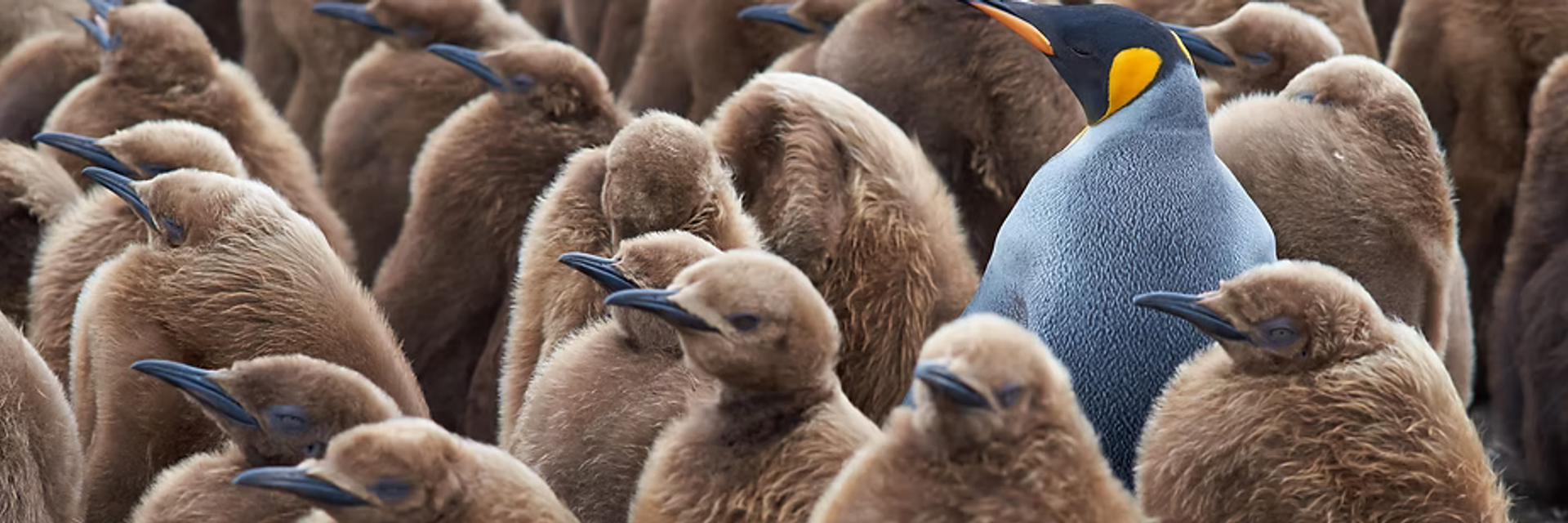
Five penguin species are found in Antarctica and the sub-Antarctic. The Adélie, chinstrap, and gentoo penguins are the most commonly encountered on Peninsula expeditions. Adélies and chinstraps nest in enormous colonies, tens of thousands of breeding pairs at single sites. Gentoos are the speed demons of the penguin world, swimming at up to 35 km/h. The emperor penguin, largest of all, and the species featured in March of the Penguins,requires a deeper expedition including helicopter to reach, typically in the Weddell Sea or at specific emperor colonies.
Seals: Five Species You'll Actually See
Antarctic waters hold five seal species. Weddell seals are the most approachable, placid, seemingly indifferent to Zodiac passengers hovering a few meters away. Leopard seals are the apex predator of the ice, with a grin of interlocking teeth that suggests their role in the food chain. Crabeater seals (which, paradoxically, eat krill not crabs) are the most numerous large mammal on earth after humans. Fur seals and elephant seals are found primarily in the sub-Antarctic islands.
Whales: Southern Ocean Giants
Humpback and minke whales are the most reliably encountered cetaceans in Antarctic waters. Humpbacks are increasingly numerous as their population recovers from near-extinction, breaching, lunge-feeding, and approaching expedition vessels with apparent curiosity is common. Minkes are smaller and more elusive. Blue, fin, and sei whales are present but less reliably encountered. In the right season and location, seeing a blue whale, the largest animal ever to have lived is a real possibility.
See full expedition details on the Antarctica expedition page.
When to Go for Best Wildlife Viewing
November (early season): Penguin courtship and nest-building in progress; sea ice more extensive, scenery dramatic. December–January (peak season): Penguin chicks hatching; whale activity highest; 20+ hours of daylight. February–March (late season): Penguin fledglings learning to swim; whale feeding frenzies; sea ice at minimum extent. Each month offers a distinct chapter of the Antarctic wildlife story.
Looking for the best Antarctica cruise packages tailored to your budget?
Expedition Experience specializes in small-ship expeditions and can help you find exclusive deals, upgrades, and personalized itineraries. Explore available expeditions and start planning your journey today