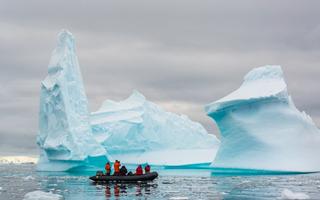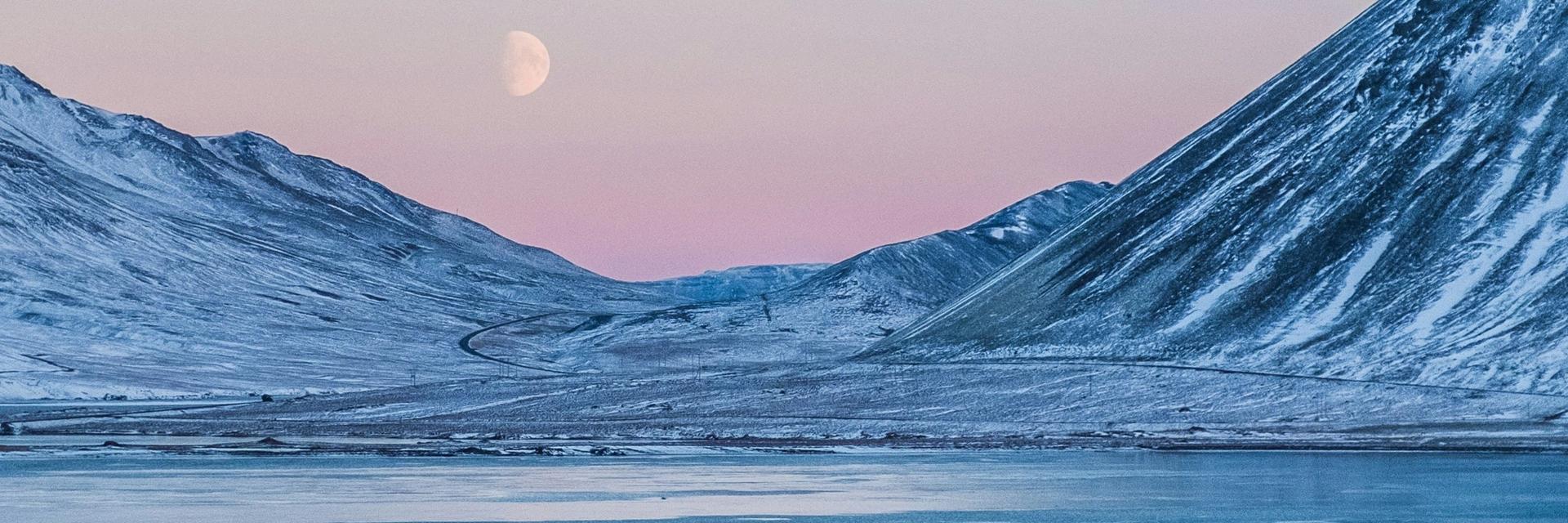
The Arctic cruising season is short and highly seasonal. Here's how conditions and wildlife shift from June through September.
Arctic expedition cruising runs on a compressed summer season, typically from June through September, and conditions shift noticeably even within that narrow window — worth understanding when deciding which month suits your priorities.
Early Season: June
June departures often bring more extensive sea ice, which can mean dramatic scenery and strong wildlife concentrations near the ice edge, though it can also limit access to some sites depending on how the ice has retreated that particular year.
Polar bears are often more visible during this period, since they tend to stay closer to sea ice for hunting before it recedes further as summer progresses — a real advantage for wildlife-focused travelers willing to accept some itinerary uncertainty.
Midsummer: July and August
The height of the season brings the mildest temperatures, the most reliable access to landing sites, and peak conditions for viewing polar bears, walrus, and seabird colonies, making this the most popular and heavily booked window of the Arctic season.
This period also sees the widest range of itinerary options available, since ice conditions are typically most favorable for reaching remote sites that may be inaccessible earlier or later in the season.
Late Season: September
September sailings see retreating daylight hours return and a better chance of catching the early aurora, along with often quieter, less-crowded landing sites as the season winds down and demand tapers off from the summer peak.
This shift back toward darker nights is itself a highlight for some travelers, since it's the only time in the Arctic cruising season when the aurora becomes visible again after months of continuous daylight.
Choosing Based on Your Priorities
Wildlife-focused travelers, particularly those hoping for polar bear sightings, often lean toward June or early July, while those wanting the most reliable weather and broadest itinerary choice tend to favor the peak midsummer window.
Booking Timing for Each Season
Because the peak July-August window sells out furthest in advance, travelers with flexible dates who are willing to consider the shoulder months often find both better availability and somewhat lower pricing.
There's no single best month for an Arctic expedition — the right choice depends on whether ice, wildlife, daylight, or crowd levels matter most to your trip.
Related Reading
• What Wildlife Will You See on an Arctic Expedition? (existing blog post)
• Arctic Expedition Cruise 101: Svalbard, Greenland & the Northwest Passage Explained (existing blog post)
• Arctic Sailing Conditions: What the Weather, Ice & Daylight Are Really Like (new article in this batch — suggested slug)
• Arctic Expedition Cruise Cost Guide: What You'll Actually Pay (new article in this batch — suggested slug)
• How to Choose an Arctic Expedition Operator (new article in this batch — suggested slug)
Looking for the best Antarctica cruise packages tailored to your budget? Expedition Experience specializes in small-ship expeditions and can help you find exclusive deals, upgrades, and personalized itineraries. Explore available expeditions and start planning your journey today