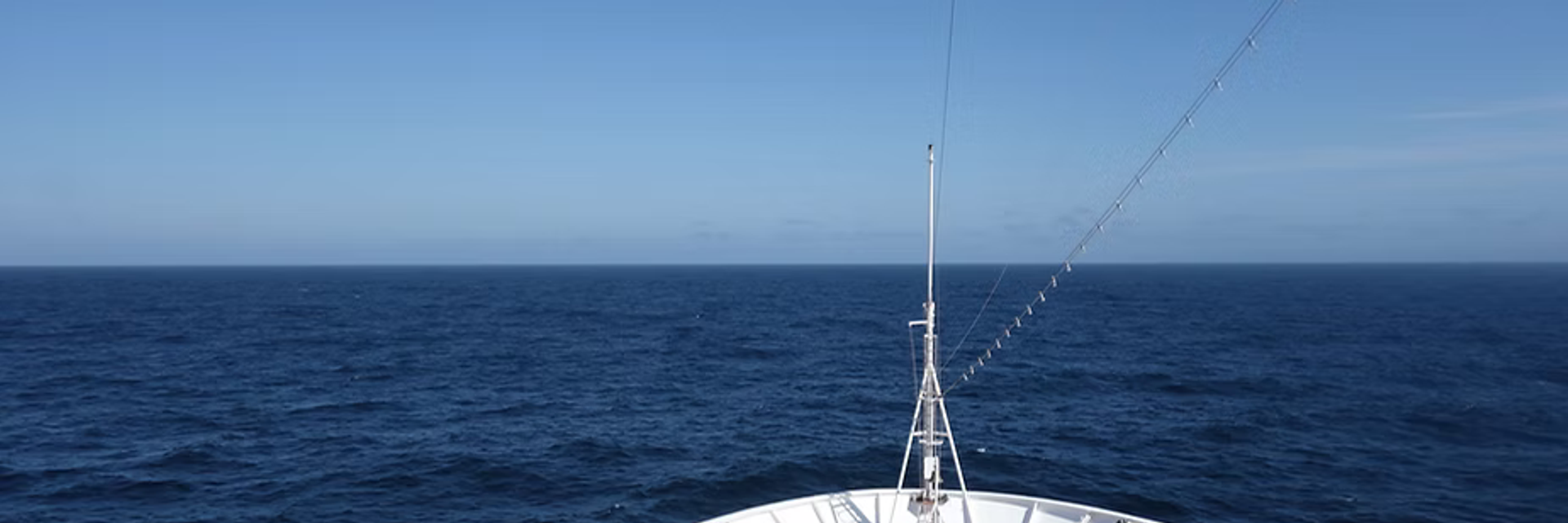
Nervous about the Drake Passage? Here's what actually happens: seasickness advice, Drake Lake vs Drake Shake, and the wildlife you won't expect.
The Drake Passage has a reputation that precedes it. Named for the Elizabethan privateer Francis Drake, whose ship was blown south after rounding Cape Horn in 1578, it is the stretch of open ocean between the tip of South America and the South Shetland Islands of Antarctica. No other body of water generates more anxiety among first-time Antarctic expedition travelers. Here is what actually happens when you cross it.
The Geography of the Drake
The Drake Passage is approximately 800 kilometres wide at its narrowest point. It is the only place on Earth where the ocean can flow freely around the entire globe without interruption by land, which is why it concentrates the energy of the Southern Ocean into extraordinary wave systems. The typical crossing takes 48 hours, two full days of open ocean navigation before the ship reaches the calmer waters of the Antarctic Peninsula.
The Two Drakes: Mild and Drake Lake
Experienced polar travelers distinguish between two versions of the crossing: the "Drake Lake" and the "Drake Shake." Drake Lake is the calm version relatively flat seas, manageable swells, comfortable crossing. Drake Shake is the rough version three-metre-plus swells, the ship moving with significant roll and pitch, passengers confined to their cabins with seasickness. Both are real. The majority of crossings are somewhere between the two extremes. The weather cannot be predicted at time of booking.
Practical Advice for the Crossing
The most effective approach to the Drake is prevention, not treatment. Take seasickness medication before symptoms begin once you are sick, oral medication is difficult to keep down. The most effective options are prescription transdermal scopolamine patches (applied behind the ear before departure), meclizine (Antivert), and ginger in high-concentration form. The best cabin position for minimizing motion is midships, low deck, away from the bow and stern. Avoid the upper deck cabins.
See the full experience of an Expedition Experience Antarctic voyage including how we prepare passengers for the crossing.
What the Drake Gives You
The crossing is not only a challenge it is an experience. The Drake Passage is one of the premier seabird-watching locations on earth. Wandering albatrosses, with the longest wingspan of any living bird (up to 3.5 metres), bank and glide alongside the ship. Southern giant petrels, cape petrels, black-browed albatrosses, and storm petrels appear in their dozens. The ship's ornithologist is on deck throughout the crossing identifying and explaining each species. By the time you reach the ice, you will have seen birds that most naturalists never see in a lifetime.
Looking for the best Antarctica cruise packages tailored to your budget?
Expedition Experience specializes in small-ship expeditions and can help you find exclusive deals, upgrades, and personalized itineraries. Explore available expeditions and start planning your journey today