The expedition cruise packing list guides actually use - specific gear picks for polar landings, photography, and the essentials most travelers overlook.
Most expedition cruise packing lists tell you to bring "waterproof layers" and "sturdy footwear." Expedition Experience's guides have been on hundreds of voyages between them. This is the list they actually pack for themselves - not the generic list, but the specific gear that makes a real difference across multiple days in remote, wet, cold, and physically demanding environments.
The Non-Negotiables: Outer Layer
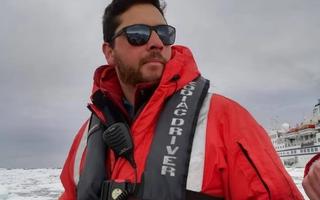
A proper expedition jacket - not a ski jacket, not a waterproof windbreaker, but a full hard-shell with taped seams, rated for sustained rain and spray - is the single most important item. Gore-Tex or equivalent laminates are the standard. The jacket will be worn for every single landing, in every condition, and it will get wet. A jacket that breathes is as important as one that waterproofs: you will be active on shore.
Rubber boots are essential for wet-foot Zodiac landings. Many operators, including Expedition Experience, provide these on board - confirm with your operator before packing them. If bringing your own, they should be knee-height, insulated, and a full size larger than your shoe to allow for thick wool socks underneath.
The Non-Negotiables: Base Layers
The merino wool system is the most consistently recommended by experienced polar guides: a thin merino base layer next to skin, a mid-weight merino mid-layer, and the hard-shell on top. Merino regulates temperature across a wider range than synthetic alternatives, does not develop odor as rapidly (important on a multi-day voyage with limited laundry), and is comfortable against skin during long periods of wear.
Photography Gear: What the Guides Actually Use
The most important photography consideration on an expedition cruise is protection from moisture, not lens quality. Salt spray from Zodiacs, condensation from moving between cold outside and warm inside, and rain during landings will destroy unprotected electronics. Dry bags, waterproof camera bags, and lens cloths for immediate cleanup are more important than upgrading to a longer telephoto. That said, for Antarctic and Arctic wildlife photography, a 400mm+ equivalent focal length makes a significant difference to the quality of shots taken at safe wildlife distances.
For the full expedition experience on board, see our The Experience page.
The Things Most Lists Miss
Lip balm with high SPF - sun reflection off ice and water is intense even in overcast conditions, and UV-related lip burn is the most common complaint among first-time polar travelers. Thin liner gloves worn under heavier waterproof gloves allow you to operate a camera or phone without fully removing protection. A headlamp - not needed in Antarctic summer (24-hour light) but essential for Arctic shoulder season. A small dry bag for your phone and documents during Zodiac transfers.
Looking for the best Antarctica cruise packages tailored to your budget?
Expedition Experience specializes in small-ship expeditions and can help you find exclusive deals, upgrades, and personalized itineraries. Explore available expeditions and start planning your journey today