Midnight sun or Northern Lights? The answer determines when to visit Iceland by expedition ship — a month-by-month guide to planning your voyage.
Iceland is one of the few expedition destinations where the answer to "when should I go?" is genuinely complicated — because different seasons offer radically different experiences, and the right time depends entirely on what you are most hoping to see. Here is a month-by-month guide to help you decide.
May–June: The Awakening Season
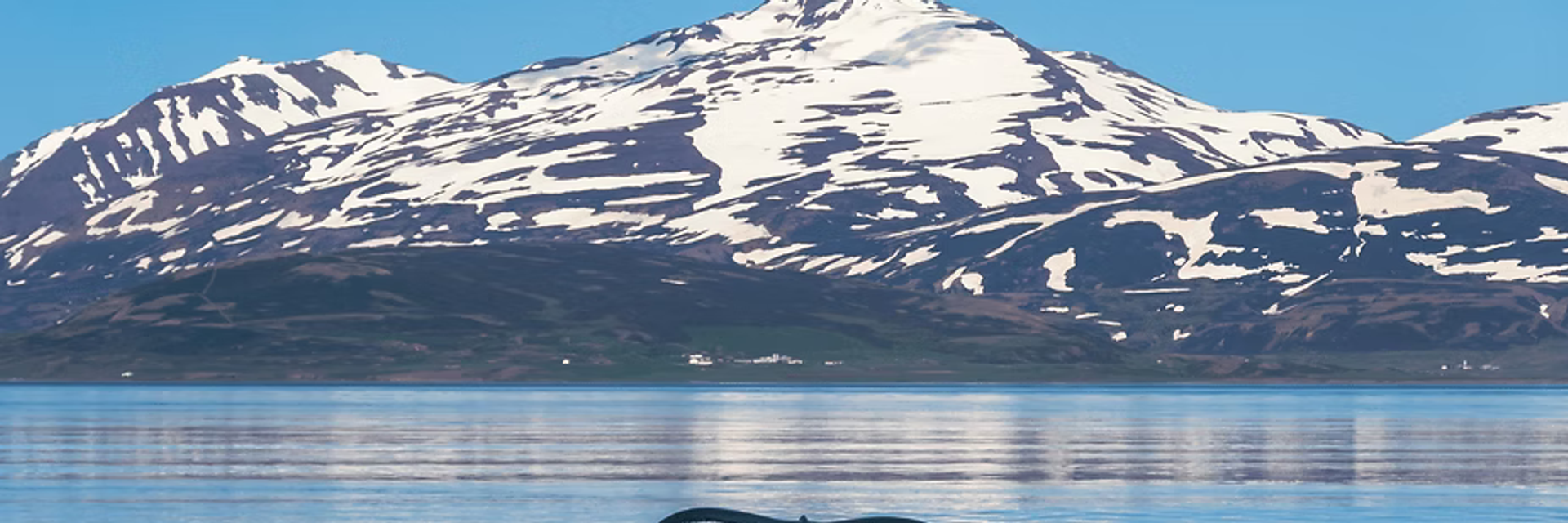
Late May and June bring rapidly lengthening days and the return of migratory seabirds to Iceland's cliffs. Puffins arrive in late April and May in their millions, congregating at breeding colonies on the Westfjords, Látrabjarg, and the Vestmannaeyjar (Westman Islands). By June, the midnight sun has fully arrived — continuous daylight that allows 24-hour activity and extraordinary photographic light at all hours. Whale watching begins in earnest as minkes, humpbacks, and fin whales return to Icelandic feeding grounds.
July–August: Peak Season
Peak expedition season brings maximum wildlife activity, the calmest seas of the year, and the warmest temperatures (averaging 10–13°C in coastal areas). Puffins are at their most active with chicks in July. Whale watching is at its best. The midnight sun is at its most intense. The trade-off: this is also the busiest period for tourism in Iceland generally, though expedition cruising in the Westfjords and remote north coast remains far less crowded than the Golden Circle.
September–October: The Shoulder Season Advantage
September is, for many experienced expedition travelers, the optimal time to visit Iceland. The migratory birds are still present through early September. Whale watching remains excellent. Days are shortening but still long. And the aurora borealis returns — the first dark skies of the season bring the Northern Lights back to Iceland's horizon. Combining seabird colonies, whales, and aurora in a single voyage is only possible in this window.
See Expedition Experience's current Iceland expedition dates and pricing.
The Summer vs. Aurora Trade-Off
The single most common question in Iceland expedition planning is: midnight sun or aurora? The honest answer: you cannot have both. The midnight sun means there is no darkness for aurora viewing. The aurora requires dark skies, which means shorter days and cooler, rougher conditions. September is the compromise — dark enough for aurora, still warm and wildlife-rich enough for a full expedition experience. If aurora is your priority, October is better but more demanding.
Looking for the best Antarctica cruise packages tailored to your budget?
Expedition Experience specializes in small-ship expeditions and can help you find exclusive deals, upgrades, and personalized itineraries. Explore available expeditions and start planning your journey today