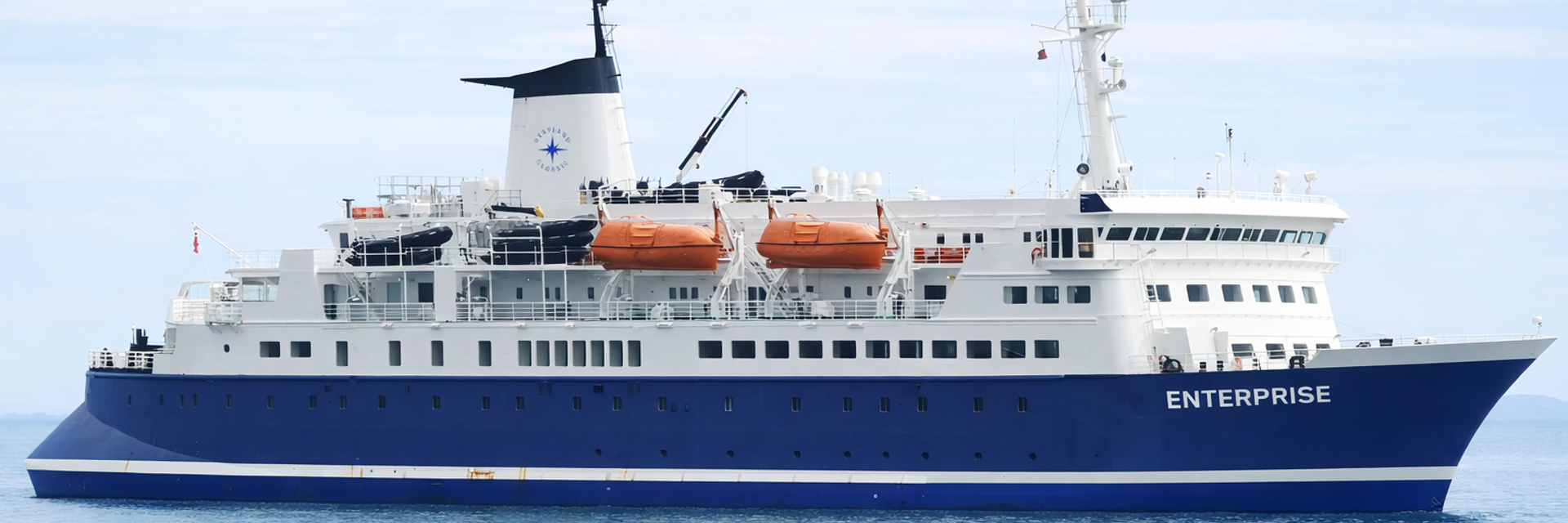
International rules cap how many passengers can land ashore at once in Antarctica — here's how that shapes which ship you should choose.
Ship size is one of the most consequential decisions an Antarctica traveler will make, and it comes down to a specific rule most people have never heard of before booking their trip.
The 100-Passenger Landing Rule
Under IAATO guidelines, ships carrying more than 500 passengers cannot land guests ashore at all, while landings are capped at 100 people on the ice at any one time meaning a smaller ship gets everyone ashore, often more than once a day, while a larger ship may only offer scenic cruising.
This rule exists specifically to limit the environmental impact of tourism on fragile landing sites, and it has become the single biggest factor separating a genuine expedition cruise from a scenic Antarctica sailing on a larger conventional cruise ship.
Access to Quieter Sites
Smaller vessels can also maneuver into narrower channels and anchorages that larger ships can't reach, opening less-visited landing sites and closer wildlife encounters that aren't accessible to bigger ships regardless of the passenger cap.
This maneuverability advantage compounds over the length of a voyage a small ship might visit six or seven distinct landing sites over a week, while a larger vessel restricted to open-water anchorages sees a much narrower range of locations.
A More Personal Expedition
Small ships also tend to carry a higher ratio of naturalists and expedition staff per guest, translating into more informal lectures, more one-on-one time with experts, and a genuinely more immersive trip overall.
This staff ratio also affects logistics on landing days smaller groups move faster through the Zodiac loading process and spend more net time ashore per outing than passengers on a larger vessel cycling through the same 100-person cap in shifts.
Comfort Trade-Offs to Consider
Smaller ships do mean smaller cabins and fewer onboard amenities compared to larger vessels, so travelers prioritizing spa facilities, multiple dining venues, or more spacious public areas should weigh that against the landing advantages before booking.
Finding the Right Balance
Ships in the 100-to-200-passenger range tend to offer the best balance for most travelers small enough to guarantee full-group landings, but large enough to offer reasonable onboard comfort and a varied social mix of fellow passengers.
Ship size isn't just a comfort preference in Antarctica it directly determines how much time you'll actually spend on the continent itself.
Related Reading
• Small Ship vs. Large Ship: A Practical Guide for Expedition Travelers (existing blog post)
• How to Choose the Best Antarctica Expedition Cruise for Your Budget (existing blog post)
• Antarctica Cruise for Solo Travelers: What to Know Before You Book (new article in this batch — suggested slug)
• How Many Days Do You Need in Antarctica? Comparing 8-, 10- and 14-Day Itineraries (new article in this batch — suggested slug)
• Antarctica Flights vs. Cruise: How People Actually Get There (new article in this batch — suggested slug)
Looking for the best Antarctica cruise packages tailored to your budget? Expedition Experience specializes in small-ship expeditions and can help you find exclusive deals, upgrades, and personalized itineraries. Explore available expeditions and start planning your journey today
More Field Notes

East Coast Ships & Ciders
Sydney, Nova Scotia, Canada